

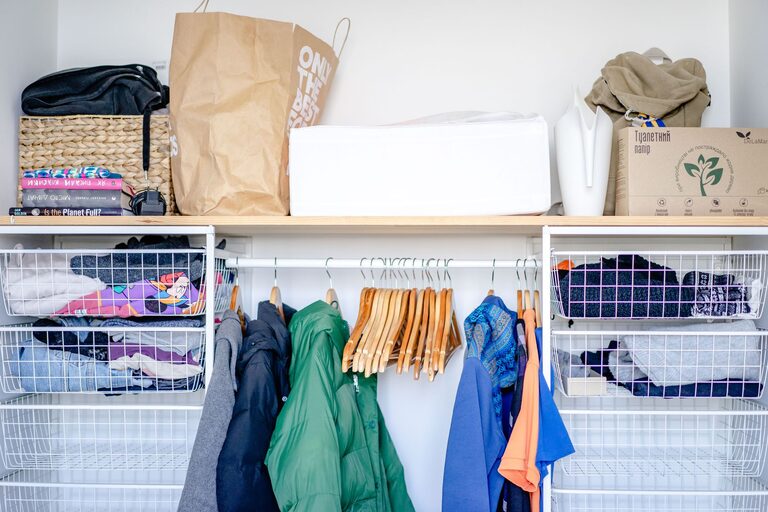
Storing seasonal clothes efficiently can be a game-changer, helping you free up closet space and keep your wardrobe in great condition year-round. Whether you’re packing away winter coats or summer dresses, the right storage methods protect your clothes from damage while making it easy to find what you need when the seasons change. Here’s a helpful guide to storing your seasonal clothing efficiently.
Why Proper Seasonal Storage Matters
Clothing that isn’t stored properly can suffer from fading, wrinkles, mold, pests, or unpleasant odors. Efficient storage prevents these problems, so your clothes stay clean, fresh, and ready to wear. Plus, it reduces clutter in your daily living space, making your home more organized and comfortable.
Step 1: Sort and Declutter
Before storing clothes, spend time sorting through them.
– Separate by season: Group your clothes into categories like winter, spring, summer, and fall.
– Assess condition: Check for stains, tears, or damage. Clean and repair items before storing to avoid attracting pests.
– Declutter: Donate or recycle clothes you no longer wear or need. This reduces storage volume and keeps your wardrobe manageable.
Step 2: Clean Everything
Always clean clothes before storing them. Dirt, sweat, and oils can attract moths and cause stains to set. Consider:
– Washing or dry cleaning delicate items.
– Making sure items are completely dry to avoid mold and mildew.
– Removing any lint or pet hair.
Step 3: Choose the Right Storage Containers
Selecting appropriate containers keeps clothes safe from moisture, dust, and pests.
– Plastic bins with tight lids: Ideal for long-term storage because they are moisture-resistant and durable.
– Breathable fabric bags: Good for delicate fabrics that need air circulation but should be stored in a dry environment.
– Vacuum-sealed bags: Save space by compressing clothes, but avoid using them for natural fibers that need to breathe.
– Storage boxes with removable lids: Allow easy access and protect clothes from dust.
Label containers clearly to save time when you need to retrieve items.
Step 4: Use Proper Storage Techniques
How you fold or hang clothes affects their condition and the space they occupy.
– Folding: Fold heavy sweaters and knitwear to prevent stretching. Use acid-free tissue paper to reduce wrinkles.
– Hanging: Hang coats, dresses, and items prone to wrinkles on sturdy hangers. Use garment bags to protect them.
– Rolling: Rolling t-shirts and casual clothes can save space and reduce creasing.
– Avoid overcrowding: Give clothes enough room to breathe to avoid unwanted odors and wrinkles.
Step 5: Store Clothes in the Right Environment
Where you keep your seasonal clothes is just as important as how you store them.
– Cool, dry place: Avoid attics or basements that may be damp or experience temperature swings.
– Away from sunlight: Sunlight can fade fabric colors over time.
– Good ventilation: Proper airflow helps prevent mold and mildew.
– Use natural repellents: Cedar blocks or lavender sachets can help deter moths without harsh chemicals.
Step 6: Maintain Your Stored Clothes
Seasonal storage isn’t just about packing away clothes—it also requires occasional check-ins.
– Inspect containers every few months to catch moisture or pest problems early.
– Air out clothes if possible, especially before wearing them again.
– Replace repellents as needed.
Additional Tips for Specific Types of Clothing
– Knitwear: Fold carefully and store flat to maintain shape.
– Leather and suede: Clean professionally and store in breathable covers.
– Shoes: Clean and stuff with paper to keep shape; store in boxes or clear bins.
– Accessories: Use divided containers or small bags to keep scarves, hats, and gloves organized.
Conclusion
Efficiently storing your seasonal clothes doesn’t have to be complicated. By sorting, cleaning, choosing the right containers, and storing in a suitable environment, you protect your wardrobe and enjoy a clutter-free home. When the season changes, you’ll appreciate how easy it is to switch out your clothes with minimal hassle. Take some time today to create a seasonal storage system that works for you!
—
By following these steps, you can extend the life of your clothes and keep your living spaces tidy and inviting all year long. Happy organizing!