

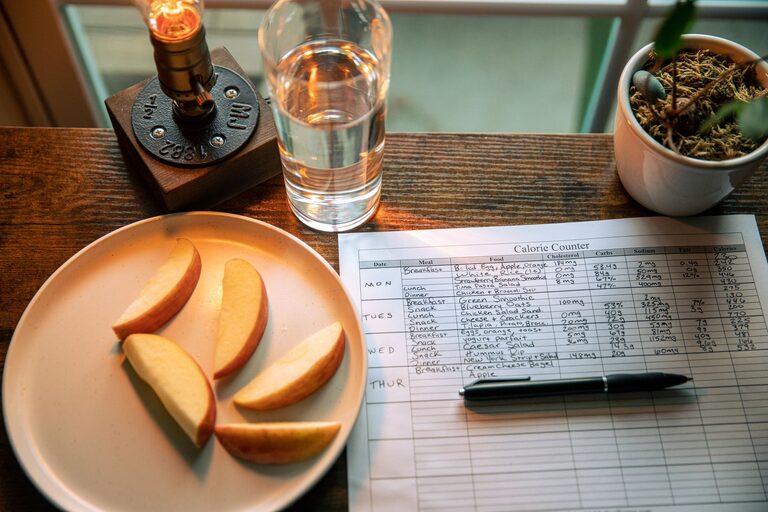
Planning balanced meals can sometimes feel overwhelming, especially with busy schedules and endless food choices. However, enjoying nutritious and well-rounded meals doesn’t have to be stressful. With a bit of preparation and a few simple strategies, you can make meal planning straightforward, enjoyable, and effective. This guide will walk you through practical steps to plan balanced meals without the headache.
What Is a Balanced Meal?
Before diving into meal planning, it’s helpful to understand what a balanced meal looks like. A balanced meal typically includes:
– Proteins: Such as lean meats, beans, tofu, fish, or eggs, which help build and repair tissues.
– Carbohydrates: Whole grains, fruits, and vegetables provide energy and fiber.
– Healthy Fats: Sources like avocados, nuts, seeds, and olive oil support brain health and nutrient absorption.
– Vitamins and Minerals: Found mainly in fruits and vegetables, they help your body function properly.
– Water: Staying hydrated is crucial for overall health.
Benefits of Planning Balanced Meals
Planning your meals in advance helps you:
– Save time and reduce last-minute stress.
– Avoid unhealthy impulse eating.
– Ensure a variety of nutrients across your meals.
– Manage portion sizes better.
– Reduce food waste and save money.
Steps to Plan Balanced Meals Without Stress
1. Start With a Simple Meal Plan
Begin by creating a basic weekly meal plan. Don’t aim for perfection—start with just a few meals, then build up as you get comfortable.
– Choose 3–4 dinner ideas.
– Plan for simple breakfasts and lunches that can be repeated or adapted.
– Include snacks that are easy and nutritious.
2. Build a Healthy Grocery List
Once your meal plan is ready, write a grocery list organized by food categories:
– Proteins (chicken, beans, eggs)
– Vegetables (spinach, carrots, bell peppers)
– Fruits (apples, berries, bananas)
– Whole grains (brown rice, quinoa, whole wheat bread)
– Healthy fats (nuts, olive oil, avocado)
– Other essentials (spices, herbs, condiments)
Sticking to your list helps avoid unnecessary purchases and keeps you focused on balanced choices.
3. Use the Plate Method
The plate method is an easy way to ensure balanced meals without complicated measurements. Visualize your plate divided into:
– Half filled with vegetables and fruits.
– One quarter filled with lean protein.
– One quarter filled with whole grains or starchy vegetables.
– Add a small portion of healthy fat.
This simple visual guide helps you keep meals balanced and colorful.
4. Batch Cook and Prep Ahead
Cooking in batches saves time and reduces daily stress.
– Prepare large portions of grains like rice or quinoa to use throughout the week.
– Roast or steam vegetables ahead of time.
– Cook proteins in bulk, such as grilled chicken breasts or baked tofu.
– Portion snacks like cut veggies or nuts in advance.
Having ready-to-go components makes meal assembly quick and easy.
5. Keep Recipes Simple and Flexible
Choose easy recipes with just a few ingredients that allow for substitutions:
– Stir-fries with your choice of protein and vegetables.
– Grain bowls topped with veggies, beans, and dressing.
– One-pan meals where everything cooks together.
This flexibility means you can use whatever ingredients are on hand and reduce food waste.
6. Incorporate Variety Over Time
You don’t need to reinvent meals daily. Eating the same 3–5 meals in rotation can reduce decision fatigue and shopping complexity. To keep things interesting:
– Change up seasonings, sauces, or cooking methods.
– Swap one protein for another.
– Try different grains or legumes.
7. Don’t Forget Hydration and Snacks
Balanced eating includes staying hydrated and choosing healthy snacks.
– Drink plenty of water throughout the day.
– Choose snacks like yogurt, fresh fruits, nuts, or veggie sticks.
Planning snacks helps avoid reaching for less nutritious options.
Tips to Stay Motivated and Consistent
– Set realistic goals: Aim for progress, not perfection.
– Keep a meal planning journal: Track what works, your favorite recipes, and ideas.
– Get the family involved: Ask for input or make meal prep a shared activity.
– Celebrate small wins: Cooking a balanced dinner or trying a new vegetable deserves recognition.
Sample Easy Meal Plan for a Day
| Meal | Example |
|————–|——————————————|
| Breakfast | Oatmeal with berries, nuts, and a drizzle of honey |
| Lunch | Whole grain wrap with turkey, spinach, tomatoes, and hummus |
| Snack | Carrot sticks with Greek yogurt dip |
| Dinner | Grilled salmon, quinoa, and steamed broccoli |
| Dessert/snack| Fresh fruit or a small square of dark chocolate |
Final Thoughts
Planning balanced meals doesn’t have to be complicated or stressful. By understanding what makes a meal balanced, creating simple plans, prepping in advance, and keeping meals flexible, you can enjoy healthy eating every day. Start small, be consistent, and let meal planning become a helpful routine that supports your well-being.
Remember, the goal isn’t to create perfect meals but to nourish your body and enjoy the process along the way. Happy meal planning!