

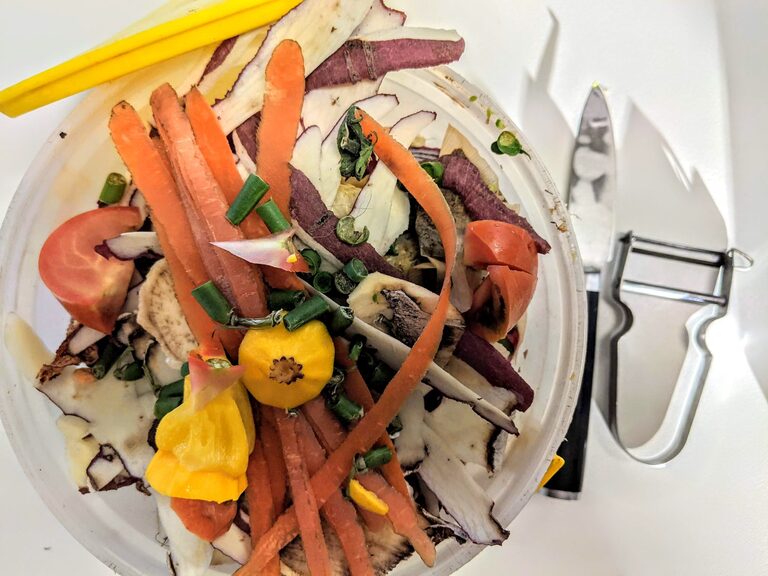
Reducing food waste at home is not only good for your wallet but also beneficial for the environment. Wasting food means wasting the resources used to produce, transport, and store it. Luckily, there are plenty of easy and practical ways to cut down on food waste without making your life complicated. In this post, we’ll explore a variety of tips and strategies to help you manage food better, reduce waste, and make your kitchen more efficient.
Why Reducing Food Waste Matters
Food waste contributes significantly to environmental problems such as greenhouse gas emissions and unnecessary water usage. When food ends up in the trash, the energy, water, and labor that went into producing that food are lost too. On a personal level, throwing away food is like throwing away money. By reducing food waste, you save money and also contribute to a healthier planet.
Tips for Reducing Food Waste at Home
1. Plan Your Meals Ahead
One of the most effective ways to prevent food waste is to plan meals in advance. Start by creating a weekly menu and making a detailed grocery list based on what you need. This helps avoid impulse buys and purchasing more than you can consume.
– Check your pantry and fridge before shopping.
– Choose recipes that use similar ingredients to maximize usage.
– Consider portion sizes to avoid cooking too much.
2. Shop Smartly
When grocery shopping, keep these points in mind:
– Buy loose produce instead of pre-packaged to get only what you need.
– Avoid bulk purchases of perishable items unless you’re sure you’ll use them quickly.
– Select items with longer expiration dates when possible.
3. Store Food Properly
Proper storage is key to keeping food fresh longer. Here are some storage tips:
– Keep fruits and vegetables separate if they release ethylene gas, which can speed up ripening.
– Use airtight containers for leftovers and opened packages.
– Store bread in a cool, dry place or freeze it to extend its life.
– Label leftovers with dates so you know when to eat them.
4. Use Leftovers Creatively
Leftovers don’t have to be boring or wasted. Get creative with:
– Making soups, stews, or casseroles using leftover vegetables and meats.
– Turning stale bread into croutons or bread pudding.
– Adding extra fruits to smoothies or baking with them.
5. Understand Expiration Dates
Confusion around expiration dates often leads to premature tossing of food. Here’s what to know:
– “Best by” or “Best before” dates indicate peak quality, not safety.
– “Use by” dates are about safety, especially on perishable items like dairy.
– When in doubt, use your senses—look, smell, and taste before discarding.
6. Compost Food Scraps
Even with the best efforts, some food scraps are unavoidable. Composting turns organic waste into valuable soil for your garden.
– Collect vegetable peels, coffee grounds, eggshells, and other compostable scraps.
– Avoid composting meat, dairy, or oily foods, which can attract pests.
– Use a bin or pile in your yard or check if your community offers composting services.
7. Freeze Excess Food
Freezing is an excellent way to preserve food that you can’t use immediately.
– Freeze fruits before they spoil and later use in smoothies or baking.
– Portion large meals or leftovers into smaller containers for easy thawing.
– Label packages with contents and date to keep track.
Additional Tips for a Waste-Free Kitchen
– Keep a running inventory of what you have to avoid buying duplicates.
– Use smaller plates to reduce uneaten food at mealtime.
– Encourage everyone in your household to take only what they can eat.
– Donate unopened, non-perishable foods you won’t use to local food banks.
Final Thoughts
Reducing food waste at home takes a little extra attention but quickly becomes second nature. With simple planning, smart shopping, and good storage habits, you can minimize waste, save money, and help protect the environment. Start with a few of these tips today and watch the difference it makes in your kitchen and beyond. Every small step counts!
By adopting these practical habits, you’re contributing to a more sustainable future—one meal at a time.